
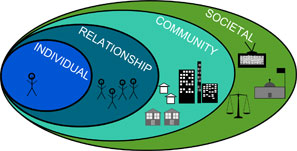
The SEP theory is a multilevel, interactive approach that examines how physical, social, political, economic, and cultural dimensions influence behaviors and conditions (Cottrell, Girvan, Seabert, Spear, & McKenzie, 2018). The levels of influence include: intrapersonal, interpersonal, organizational, community, public policy, physical environment, and culture.
For this model, I would apply it to seatbelt use and understand the influence it has in all levels. In the intrapersonal level, I understand that a seatbelt can save lives and influences my decision to wear a seatbelt. While I saw it as an unnecessary restraint, I always remind myself what it can do to save my life. In the interpersonal level, I have always grown up with my parents enforcing the seat belt rule. Because my parents would never start the car until I buckled my seatbelt, it has conditioned me to understand the importance of wearing a seatbelt. In the organizational community, town RMVs have flyers and posters showing the importance of wearing seatbelts. Local ad campaigns and signs on streets also broadcast the importance of seatbelt use. In the public policy level, it is now a law that anyone who operates a vehicle must wear a seatbelt or else they will get a ticket. Police are allowed to give you a ticket for a violation of not wearing a seatbelt. As for the physical environment, most new cars now have alarms if you are not wearing a seatbelt. Even if you are against wearing seat belts, it is not worth hearing the car alarm go off while you are driving, making people have no choice but to wear a seatbelt. It is a great new feature and has helped emphasizing the importance of wearing a seatbelt.
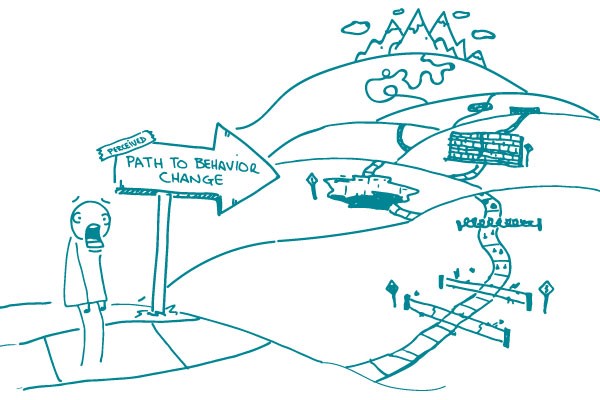
The next theory to scope into is the (TPB) Model. The behavior I decided to look into is the habit of smoking cigarettes. Most of my family members are chain smokers and that has become part of their lifestyle. With friends, I have noticed most associate smoking with other unhealthy behaviors like drinking. Also, alternative forms of smoking such as juuling has become a large issue because young people believe this is a “healthier” alternative. The majority who smoke understand the consequences of smoking, and either do not care or turn a blind eye to what it can do to your body in the long term. For this I have spoken to my father, sister, and three of my other friends to get a diverse pool of people. Speaking with all five participants, there is definitely a correlation of some forms of guilt and understanding that smoking was not a good thing for your health. While that was unanimous, when it came to asking if there are safer ways to smoke, the responses would vary: where my Dad felt smoking was smoking, my sister felt juuling was safer because of no carcinogens, and my friends all agreed that juuling, while it may not have the same kind of smoke, is a lot more addictive than cigarettes. Doing this survey has made me understand the roots of smoking addiction, and that there is no safer way to smoke. By quitting the behavior and believing it is bad for you without alternatives, then the better off everyone will be.
Cottrell, R. R., Girvan, J. T., Seabert, D., Spear, C., & McKenzie, J. F. (2018). Principles
and foundations of health promotion and education. NY, NY: Pearson.
Word Counter: 539 words
 Rakin's Health Blog